A collection of poems from a changing Bedouin world.Bedouin Poets of the Nafūd Desert features poetry from three poets of the Ibn Rashīd dynasty—the highwater mark of Bedouin culture in the nineteenth century. Khalaf Abū Zwayyid, ʿAdwān al-Hirbīd, and ʿAjlān ibn Rmāl belonged to tribes based around the area of Jabal Shammar in northern Arabia. A cultural and political center for the region, Jabal Shammar attracted caravans of traders and pilgrims, tribal shaykhs, European travelers (including T.E. Lawrence), illiterate Bedouin poets, and learned Arabs. All three poets lived at the inception of or during modernity’s accelerating encroachment. New inventions and firearms spread throughout the region, and these poets captured Bedouin life in changing times. Their poems and the accompanying narratives showcase the beauty and complexity of Bedouin culture, while also grappling with the upheaval brought about by the rise of the House of Saud and Wahhabism.The poems featured in Bedouin Poets of the Nafūd Desert are often humorous and witty, yet also sentimental, wistful, and romantic. They vividly describe journeys on camelback, stories of family and marriage, thrilling raids, and beautiful nature scenes, offering a window into Bedouin culture and society in the nineteenth and early twentieth centuries.
Khalaf Abū Zwayyid
Khalaf Abū Zwayyid (d. 1942) gained notoriety for his barbs aimed at the most powerful prince of Arabia in his time, Muḥammad ibn Rashīd. He died in 1942 at around 100 years of age.
ʿAdwān al-Hirbīd
ʿAdwān al-Hirbīd (d. 1896) was held in special esteem for his love poetry.
Marcel Kurpershoek
Marcel Kurpershoek is a specialist in the oral traditions and poetry of Arabia. He is the author of the five-volume Oral Poetry and Narratives from Central Arabia, as well as several books on Middle Eastern history and culture.
Rocio Quispe Agnoli
Rocío Quispe Agnoli is a Professor of Latin American Studies and Decolonial Studies at Michigan State University, where she received the William J. Beal Outstanding Faculty Award in 2022. She is also a scholar of gender and sexualities, Indigenous writers of Latin America, intersectionality, and Peruvian speculative fiction.
Philip F. Kennedy
Philip F. Kennedy is Professor of Middle Eastern and Islamic Studies and Comparative Literature at New York University, and General Editor of the Library of Arabic Literature. He is the author of Recognition in the Arabic Narrative Tradition.
Editorial Reviews
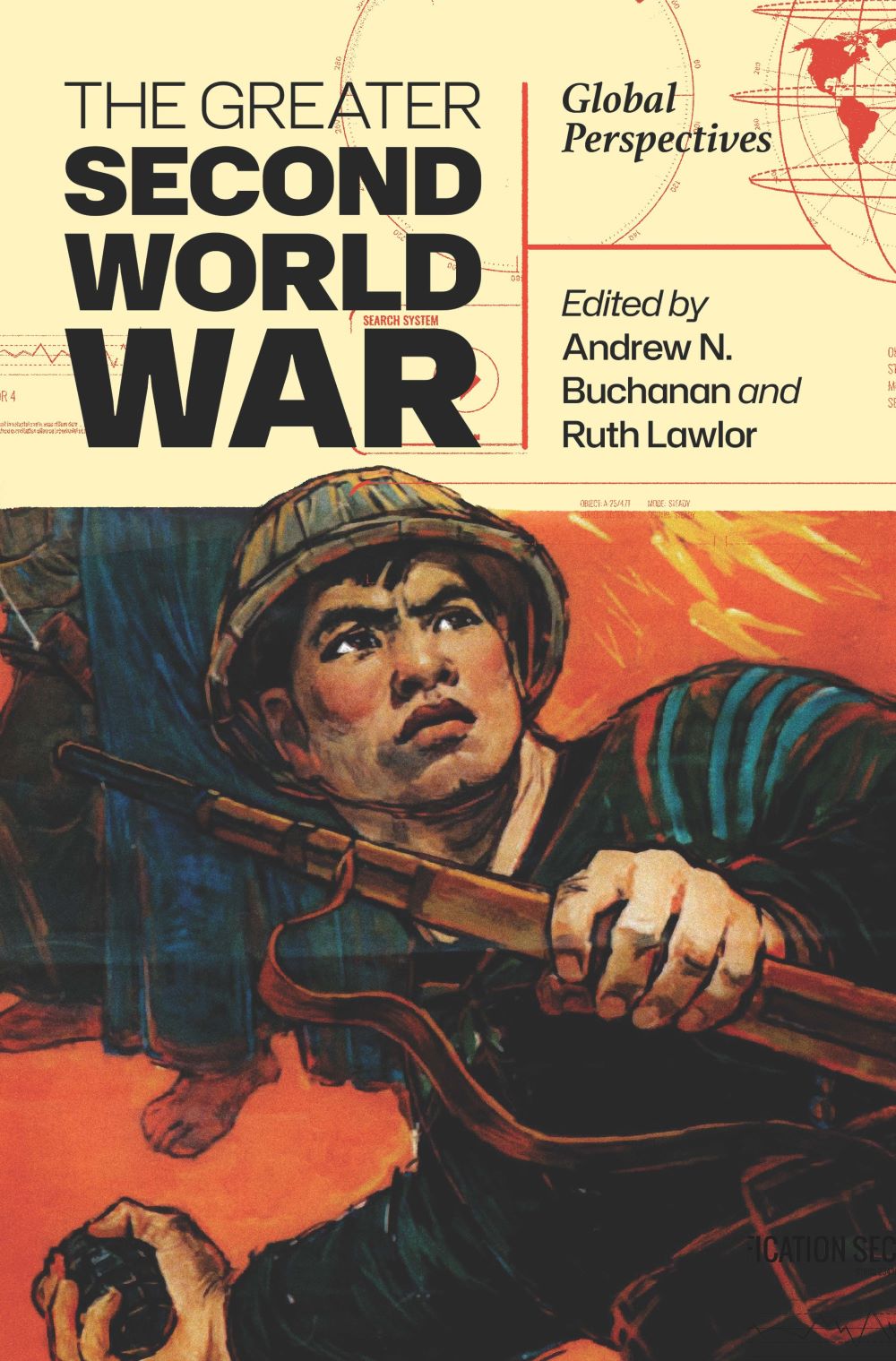
 | “This fascinating collection significantly contributes to the ‘global turn’ in the historiography of the Second World War. With engaging and provocative moments of brilliance, The Greater Second World War builds upon and advances recent scholarly engagement with the transnational and crosscultural linkages between peoples, ideologies and militaries.”
—Wendy Ugolini, author of Wales in England, 1914–1945
|
| “The Greater Second World War presents original arguments and interpretations that challenge historians to reconsider the ‘global Second World War,’ the date parameters of the war, and the connections between World War II and the Cold War more clearly and more definitively.”
—Mary Kathryn Barbier, author of Spies, Lies, and Citizenship
|
Books of related interest