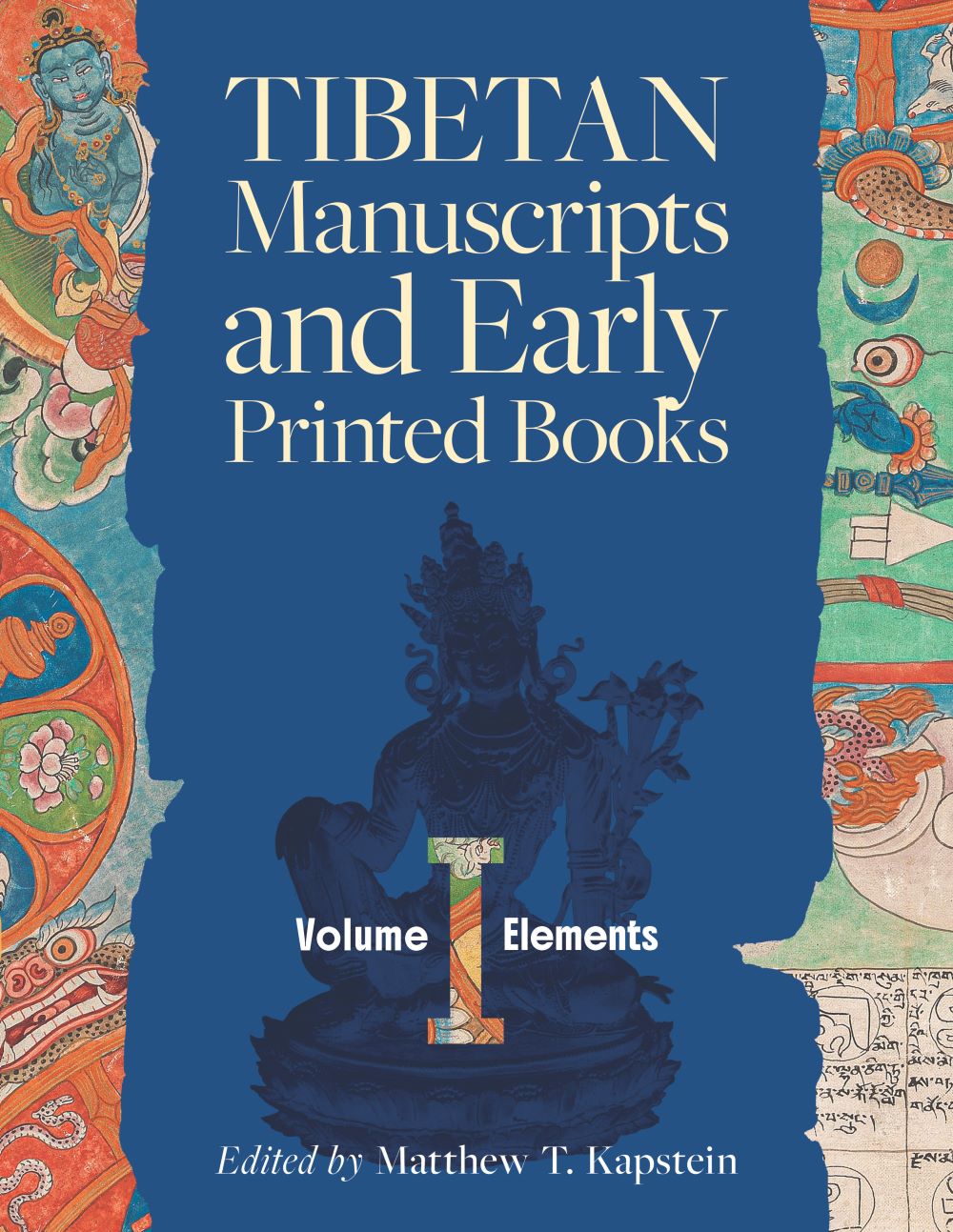
In Tibetan Manuscripts and Early Printed Books, Volume I, Matthew T. Kapstein and an international team of specialists provide a comprehensive introduction to the material and aesthetic features of the wide range of Tibetan books, described in detail and illustrated with copious full-color photographs.With a documented history of over thirteen centuries, Tibetan books have long served as a medium of culture and learning throughout Central and East Asia. Major collections of Tibetan manuscripts and printed books—for Tibetan works were put into print even before the age of Gutenberg—are found in libraries and museums far from the traditional centers of Tibetan learning. Yet the history, production, and design of these works remain poorly understood.Topics covered in volume I include the manufacture of paper and ink, format and layout, scripts and scribal conventions, illumination and decoration, woodblock printing, book storage, preservation, and the use of contemporary digital technologies for the documentation of traditional works. Volume I of Tibetan Manuscripts and Early Printed Books is an essential resource for all students of Tibetan civilization, as well as for scholars, collectors, and others interested in the diverse book cultures of Asia. Volume II was published simultaneously with Volume I and is also now available.Winner of the Toshihide Numata Book Award in Buddhism of the Center for Buddhist Studies at the University of California, Berkeley.
Matthew T. Kapstein
Matthew T. Kapstein is Professor Emeritus of Religious Studies at the École Pratique des Hautes Études in Paris and Associate of the Divinity School of the University of Chicago. His many books include The Tibetans and The Tibetan Assimilation of Buddhism.
Editorial Reviews
“These two volumes serve as both foundational texts for the field in the years to come as well as immense sources of inspiration for further inquiry into the rich history and material culture of Tibetan books.”
—Manuscript Studies
“This is one of the most interesting and influential new books in the field of Tibetan studies. Matthew T. Kapstein and his team of contributors are leading experts in the topics they address. Both broad and deep in its coverage, accessibly written, and generously illustrated with well-chosen images, this work will be a core text for students of Tibetan studies going forward.”
—Frances Garrett, University of Toronto, coeditor of Hidden Lands in Himalayan Myth and History
“The academic field of Tibetan studies is so fundamentally dependent on manuscripts and printed books, and this unprecedented guide to these materials and the methodologies of their study is essential for beginning students and advanced scholars alike. The comprehensive range and depth of detail are remarkable.”
—Bryan J. Cuevas, Florida State University